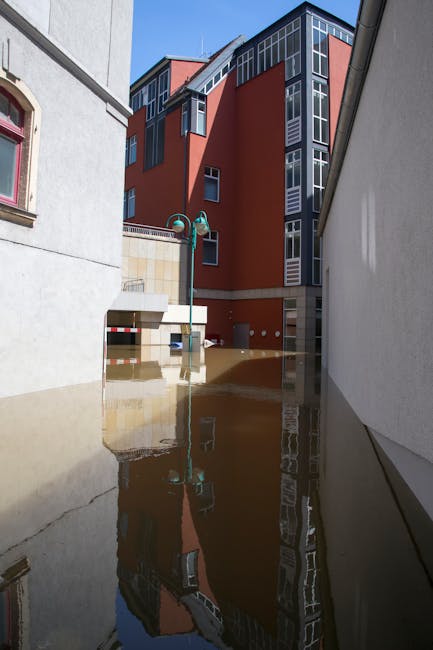
Emergency flood cleaning for W8 flats urgent steps

If your flat in W8 has just taken on water, the first few minutes can feel a bit surreal. One moment you are dealing with a dripping ceiling or a burst pipe, and the next you are standing in socks on a damp floor wondering what on earth to do first. That is exactly when Emergency flood cleaning for W8 flats urgent steps matters most: the right actions, taken quickly, can reduce damage, cut down odours, and make the whole recovery process far less painful.
In a London flat, especially in a period conversion or a building with shared services, flood water does not just sit politely in one spot. It can run under skirting boards, creep into carpets, soak upholstery, and travel to neighbouring rooms. This guide gives you the urgent steps, the practical decisions, and the common mistakes to avoid so you can respond calmly and sensibly. Not perfectly calmly, perhaps. But calmly enough.
It covers what to do immediately, how emergency flood cleaning works, when to call in help, and how to think about drying, contamination, and follow-up cleaning. If you are in a hurry, start with the checklist sections. If you want the fuller picture, keep going.
Why Emergency flood cleaning for W8 flats urgent steps Matters
Flooding in a flat is rarely just a wet-floor problem. It can become a hidden moisture problem, a hygiene problem, and in some cases a structural one too. In W8, where homes range from mansion blocks to compact apartments and converted buildings, water can move into places you cannot see very easily: beneath laminate, under carpet underlay, behind furniture, and into wall edges.
That hidden moisture is the real nuisance. The floor may look better after a quick towel-down, but if water remains trapped, you can end up with lingering smells, warping, mould risk, and discolouration. To be fair, people often think "it does not look too bad" and then discover the issue three days later when the room starts smelling damp. That is the moment everyone regrets not drying it properly first.
Urgent flood cleaning is also about safety. Water near sockets, extension leads, lamps, or electrical appliances needs a careful approach. If the water came from a contaminated source, such as sewage backflow or dirty standing water, the problem becomes more serious. In those cases, a simple mop-up is not enough.
For flat owners, tenants, landlords, and managing agents, fast action also helps with accountability. The sooner you document the damage, the easier it is to explain what happened, what was affected, and what was done to limit further loss. That is not glamorous, but it can save time later.
Expert summary: the goal is not just to remove visible water. It is to stop spread, protect health, dry materials correctly, and avoid secondary damage such as mould, odour, and permanent floor or soft furnishing issues.
How Emergency flood cleaning for W8 flats urgent steps Works
Emergency flood cleaning is usually a staged process. First, the immediate hazard is made safe. Next, standing water is removed. Then the affected materials are assessed for what can be dried, what needs deep cleaning, and what may need to be removed or replaced. In a flat, that process is often more delicate because you are working around neighbours, shared corridors, and limited ventilation.
The first phase is usually containment. That means stopping the source if you can do so safely, switching off electricity to affected areas if needed, and preventing water from reaching more rooms. After that comes extraction: using wet vacuums, towels, mops, and in some cases specialist equipment to pull out as much water as possible.
Once the bulk of the moisture is gone, drying becomes the key job. Doors may need to be opened, windows used carefully, and fans or dehumidifiers brought in. This stage is easy to underestimate. A floor that feels merely "slightly damp" can still hold enough moisture to cause trouble. And yes, carpets can deceive you. They look innocent enough right up until you lift a corner.
After drying, surfaces are cleaned according to what got wet. Hard flooring, carpet, rugs, sofas, curtains, and mattresses each need a slightly different approach. That is why services like carpet cleaning, rug cleaning, sofa cleaning, and upholstery cleaning can become relevant after a flood, even if the original issue was only one room.
The final phase is inspection. You check for odours, staining, loss of texture, lifting edges, and any signs that hidden water remains. In more serious cases, follow-up visits may be needed. Truth be told, this is one of those jobs where a careful second look is usually worth it.
Key Benefits and Practical Advantages
When you deal with flood water quickly and properly, the benefits are practical rather than flashy. They show up later as fewer problems, less disruption, and less money spent on avoidable repairs. Here are the main advantages.
- Less long-term damage: faster drying usually means less warping, staining, swelling, and material breakdown.
- Lower mould risk: reducing moisture early helps prevent spores from settling into damp materials.
- Better odour control: standing water and damp underlay can produce a musty smell surprisingly quickly.
- Safer living conditions: cleaner, drier surfaces reduce slip risks and help protect electrical safety.
- More salvageable items: the sooner you act, the better chance you have of saving carpets, rugs, and furnishings.
- Clearer decisions: a proper assessment helps you know what can be cleaned and what should be replaced.
There is also a psychological benefit, which people do not talk about enough. A flooded flat feels chaotic. Even a modest response plan gives you something to do, step by step, instead of just standing there looking at the floor and feeling stuck.
For landlords and managing agents, quick response also helps with tenant relations. People remember whether a problem was handled promptly, and in a building with shared fabric, that goodwill matters more than it sounds.
Who This Is For and When It Makes Sense
This guidance is for anyone dealing with water ingress or a flood in a W8 flat: tenants, leaseholders, landlords, block managers, letting agents, and homeowners. It applies whether the cause is a burst pipe, appliance leak, overflowing bath, roof leak, or water coming through from another flat.
It makes sense to treat the situation as urgent if any of the following apply:
- water is still present on floors or beneath furniture
- carpet or underlay feels saturated
- the smell is already stale, earthy, or sour
- the water may be dirty or contaminated
- the leak affected electrics, sockets, or appliances
- you can see staining on skirting boards, walls, or furniture
- the affected room has poor airflow or limited natural drying
If the flood was small and clean, you may be able to manage the first response yourself. If the water is dirty, widespread, or has reached soft furnishings and floor coverings, professional help is often the wiser move. There is no prize for stubbornness here.
In practice, the decision usually comes down to risk and scale. A cup of spilled water is one thing. A soaked living room carpet after a pipe failure is another entirely.
Step-by-Step Guidance
If you need urgent steps, keep this section close. These are the actions that matter most in the first hours after flooding.
1. Make the area safe
Before touching anything else, check whether electricity could be affected. If water is near plug sockets, appliances, or the consumer unit, do not wade in casually. If you can safely isolate power to the affected area, do so. If not, stay clear and wait for a qualified person. Safety first, even if the room looks harmless.
2. Stop the source if possible
If the water is still coming in and you can identify the source without risk, stop it. That might mean turning off a valve or closing an appliance feed. If the source is from another flat or a shared system, contact the appropriate person straight away. In a block, minutes matter.
3. Remove standing water
Use towels, a mop, a bucket, or a wet vacuum if available. Work from the edge of the wet area inward so you do not spread the water further. If the water is contaminated, keep your contact limited and avoid pushing it into other rooms. A quick, careful extraction is better than an enthusiastic but messy one.
4. Protect unaffected items
Move dry furniture, rugs, electronics, and valuables out of harm's way. Lift lighter items onto dry surfaces. For larger items, place foil or blocks under legs if you need to keep them in place. Avoid dragging wet furniture over carpets because that can leave marks and spread moisture. It happens fast. One second you are helping, the next you have a trail.
5. Improve airflow and start drying
Open windows if weather and security allow, but do not rely on fresh air alone. Air movement and dehumidification are usually more effective. If you have fans and dehumidifiers, use them to help circulate air and pull moisture from the space. Keep internal doors open unless you are trying to isolate a contaminated room.
6. Lift and inspect soft floor coverings
If safe to do so, check carpets, mats, and rugs for trapped water. Carpets can often feel merely damp on top while being much wetter underneath. Underlay is particularly troublesome because it holds moisture like a sponge. This is where steam carpet cleaning is sometimes discussed later in the process, but only after the carpet has dried enough for proper treatment.
7. Clean and sanitise appropriately
Once the surface has been dried, clean it according to the material and the type of water involved. Clean floodwater is very different from grey water or sewage-affected water. A general-purpose wipe-down may be fine for some hard surfaces, but carpets, upholstery, and curtains usually need more careful treatment. If odour or staining remains, specialist cleaning is often needed.
8. Document everything
Take clear photographs of the water line, affected items, and any visible damage. Make notes on times, suspected cause, and any communication with building management or neighbours. It may feel tedious in the moment, but later you will be glad you did it. Mildly annoying. Very useful.
9. Monitor the room for 24 to 72 hours
Even after initial cleaning, keep an eye on smells, soft spots, and recurring dampness. If a patch of carpet feels cooler than surrounding areas or a wall begins to show staining, there may still be moisture behind the surface. That is the point where a reassessment is sensible.
Expert Tips for Better Results
The difference between an okay outcome and a good one usually lies in the small details.
- Act faster than your instincts suggest. People often wait too long because the room "does not seem that bad." By the time the smell appears, the hidden damp has usually had a head start.
- Dry in stages. Do not blast one area and ignore the edges. Skirting boards, corners, and under furniture legs often hold moisture longer.
- Use the right cleaning method for the material. Wool rug, synthetic carpet, velvet sofa cover, painted wall, laminate floor - each behaves differently.
- Do not over-wet the room again while cleaning. Using too much water during cleanup can make the problem worse. It sounds obvious, but it happens.
- Watch for secondary damage. A swelling skirting board, lifted carpet seam, or lingering smell can be the first clue that more drying is needed.
- Keep receipts and records. If the flood relates to insurance or landlord responsibility, paperwork is part of the recovery, even if nobody enjoys it.
A practical point from real-world flat cleaning: furniture pressed tightly against the wall can trap damp in a neat little line you might miss on day one. Pull pieces away from the wall a little, even if only temporarily. You will notice the difference later.
And yes, if you can smell that faint wet-dog, cellar-like odour before you can see the issue, trust your nose. It is annoyingly good at this job.
Common Mistakes to Avoid
Flood recovery is full of good intentions that backfire. Here are the ones worth avoiding.
- Ignoring hidden moisture: visible dryness does not mean the underlay or wall base is dry.
- Using heat too aggressively: very strong heat can sometimes cause materials to dry unevenly or warp.
- Replacing items too soon: give items a proper assessment before assuming they are unsalvageable.
- Scrubbing stained fabric immediately: this can push dirt deeper or spread the mark further.
- Letting mould wait until later: if you see mould growth, do not put off dealing with it.
- Moving contaminated water around the flat: if the source is dirty, containment matters more than speed alone.
- Forgetting neighbouring spaces: the leak may have travelled under walls or into another room entirely.
One more, because it deserves its own line: do not assume the job is finished the moment the floor feels less wet. That is exactly how people end up with stubborn smells and a second round of work.
Tools, Resources and Recommendations
You do not need a warehouse of equipment, but the right tools make a flood response far more manageable.
- Absorbent towels and microfibre cloths: useful for fast surface extraction and detail drying.
- Mop and bucket: simple, reliable, and still worth having for larger patches of water.
- Wet vacuum: very helpful where standing water needs to be removed from carpets or floors.
- Fans: good for moving air, especially when positioned to help airflow across surfaces.
- Dehumidifier: useful for pulling moisture from the air and helping enclosed flats dry more evenly.
- Plastic sheeting or foil blocks: can help protect furniture legs and isolated items.
- Cleaning solution suited to the surface: avoid using one harsh product for everything.
If the flood has touched carpets or upholstery, specialist cleaning becomes much more relevant. A service such as stain removal can help where water marks, tide lines, or residue remain after drying. Likewise, if your sofa, armchair, or soft furnishings were affected, upholstery cleaning may be the better route than trying to treat the material yourself.
For families with pets or sensitive odours after damp exposure, pet stain odour removal is not directly a flood service, but the same principle applies: lingering smells need proper treatment, not just masking. Fresh air helps. It rarely solves everything on its own.
For service planning, the pages on pricing and quotes, payment and security, and insurance and safety can be helpful when you want to understand how a professional visit is handled in a clear, trust-building way.
Law, Compliance, Standards and Best Practice
Flood cleaning in a flat is not only a practical job; it can also touch on safety, tenancy responsibilities, building management, and insurance expectations. Exact responsibilities depend on the cause of the leak, lease terms, tenancy agreement, and whether the damage came from a private source or a shared system.
In the UK, it is wise to work to recognised best practice around electrical safety, safe handling of contaminated materials, and preventing further damage. If water has reached electrics, do not guess. A cautious approach is the right one. For contaminated water, basic hygiene and protective handling become important, especially where sewage or grey water is involved.
If you are a tenant, report the incident promptly to the landlord or managing agent. If you are the landlord or agent, document the response and keep communications clear. That sounds administrative, and it is, but the paper trail matters if repairs or insurance claims come up later.
It is also sensible to check the company you choose for clear service terms, safety approach, and privacy handling. Pages such as health and safety policy, terms and conditions, and privacy policy help set expectations before work begins.
One best-practice point that is often overlooked: do not reoccupy or re-cover a damp area too early. New rugs, furniture, or underlays placed back too soon can trap moisture and undo the work you have just done. Patience, annoyingly, is part of the process.
Options, Methods and Comparison
Different flood situations call for different responses. This quick comparison may help you decide what is sensible in the moment.
| Method | Best for | Pros | Limits |
|---|---|---|---|
| Towels and mopping | Small clean spills or very limited water ingress | Immediate, cheap, readily available | Slow for larger floods; does not remove deep moisture |
| Wet vacuum extraction | Standing water on hard floors or carpets | Removes more water quickly, helps reduce spread | Needs equipment; less effective for hidden underlay moisture |
| Fans and dehumidifiers | Drying after initial extraction | Speeds evaporation and helps enclosed flats dry | Works best after water is removed; takes time |
| Specialist carpet or upholstery cleaning | Flood-affected textiles, rugs, and soft furnishings | Targets stains, odours, and residue more thoroughly | Should usually follow drying, not replace it |
| Material removal and replacement | Saturated underlay, warped boards, heavily contaminated items | Prevents long-term issues where salvage is unrealistic | More disruptive and costly, but sometimes necessary |
In many flat floods, the answer is not one method but a sequence of them. For example: extract, dry, clean, inspect, then clean again if needed. Slightly boring to describe, but that layered approach is often what works.
Case Study or Real-World Example
Imagine a first-floor W8 flat after a flexible hose under a kitchen sink fails overnight. By morning, water has travelled into the hallway carpet and under a lounge rug. The occupant notices the issue when stepping out of bed onto a colder-than-normal patch of carpet and hearing that soft squelch underfoot. Not ideal.
The immediate response is simple but decisive: power to the affected zone is checked, the source is isolated, standing water is removed, and the rug is lifted. Furniture is moved away from the wall, and air circulation is started. By midday, the visible water is gone, but the carpet still feels heavy in sections, so drying continues through the afternoon. The following day, the occupant notices a faint line of staining near the edge of the lounge carpet, and a deeper clean is arranged rather than trying to ignore it.
What made the difference? The early extraction, the decision not to refit everything immediately, and the willingness to treat the carpet as more than just "a bit wet." That is the pattern most successful flood recoveries follow. Nothing fancy. Just timely, sensible steps.
Practical Checklist
Use this checklist if you need a quick reference during the first response.
- Check for electrical risk before entering the wet area.
- Stop the water source if it is safe to do so.
- Move valuable or delicate items out of the affected area.
- Remove standing water using towels, mop, or wet vacuum.
- Lift rugs, mats, and loose floor coverings.
- Improve airflow with windows, fans, or dehumidifiers.
- Inspect carpets, underlay, skirting boards, and furniture legs.
- Clean surfaces according to the type of water and material involved.
- Take photos and make notes for records or insurance.
- Monitor for smells, damp patches, and mould over the next couple of days.
- Arrange specialist cleaning if fabric, odour, or staining remains.
Quick takeaway: the goal is not to make the room look fine for the moment. It is to make sure it dries properly and stays safe afterward.
Conclusion
Flooding in a W8 flat is stressful, full stop. But it becomes much more manageable when you treat it as a sequence of urgent, practical actions rather than one big disaster. Make the area safe, stop the source, extract water, dry thoroughly, and clean the affected materials properly. That is the heart of effective flood recovery.
Whether the damage is minor or quite serious, the same principle applies: act quickly, stay cautious, and do not let hidden moisture get the upper hand. A calm, methodical response often saves more than people expect. And if the mess feels overwhelming, that is normal too. Flats are unforgiving little spaces when water gets involved.
If you need professional support for flood-affected carpets, rugs, or upholstery, it helps to choose a provider that is clear about process, safety, and pricing. You are not just buying a clean room; you are buying peace of mind, which is a decent thing to have when the hallway is still drying out.
Get a free quote today and see how much you can save.
Frequently Asked Questions
What should I do first after a flood in my W8 flat?
Start with safety. Check for electrical risks, stop the water source if you can do so safely, and then remove standing water. After that, begin drying the area and protect furniture or belongings that are still dry.
Can I clean flood damage myself in a flat?
For a small, clean water spill, often yes. But if the water is widespread, dirty, or has reached carpets, underlay, upholstery, or electrics, it is usually better to get help. The hidden moisture is often the tricky part.
How soon should floodwater be removed?
As soon as possible. The longer water sits, the higher the chance of odour, staining, warping, and mould growth. In a flat, fast action matters even more because water can move into adjoining areas.
Is flood water in a flat dangerous?
It can be. Clean water from a burst pipe is less risky than water that has come from drains, sewage, or external contamination. Even clean water can still create electrical hazards and slippery surfaces.
Will a carpet always need replacing after a flood?
No, not always. Some carpets can be dried and cleaned successfully, especially if they were dealt with quickly and the underlay was not saturated for long. If the damage is severe or contaminated, replacement may be the safer choice.
What about rugs and sofa upholstery after a flood?
Rugs and upholstered furniture can often be cleaned if treated promptly and if the material is suitable. If the item stayed wet for too long, odour and staining become harder to remove. Specialist cleaning is often the sensible route.
How do I know if hidden moisture is still present?
Watch for cool patches, recurring damp smells, discolouration, or soft edges around flooring. If a room feels dry on top but still smells musty, hidden moisture may remain in underlay, skirting, or wall bases.
Should I use heat to dry a flood-damaged room?
Gentle warmth can help, but strong heat alone is not the answer. Air movement and dehumidification usually do more of the work. Too much heat can also stress some materials, so caution is sensible.
Do I need to tell my landlord or managing agent?
Yes, if you rent or if the leak affects a shared building system. Prompt reporting helps with repairs, documentation, and any insurance-related follow-up. It also avoids confusion about who knew what and when.
Can flood cleaning remove bad smells completely?
Often, yes, if the source of the smell is treated properly. But odours can linger when water has soaked into underlay, timber edges, or upholstery. That is why cleaning and drying need to happen together, not separately.
How long does flood drying usually take?
It depends on the amount of water, the materials involved, airflow, and humidity. A lightly affected room may dry relatively quickly, while carpets and enclosed flats can take much longer. There is no single fixed timeline.
What is the safest way to handle contaminated floodwater?
Limit contact, avoid spreading it to clean areas, and keep children and pets away. Use protective gloves if appropriate, and clean with care. If the water is sewage-affected or visibly dirty, specialist support is the better option.
Where can I find more information about cleaning services and expectations?
Helpful background pages include the company's about us, health and safety policy, and complaints procedure. They are useful if you want to understand how a service is run and what standards to expect.
What if I am unsure whether the damage is serious?
If in doubt, assume it needs a careful check. With flood damage, uncertainty usually leans toward caution. A small inspection now is better than discovering a bigger problem after the smell settles in. That is the honest answer.