Insurance and Safety
 Keeping people, property, and operations protected starts with a clear commitment to insurance and safety. A well-managed workplace does more than reduce incidents; it builds confidence that risks are understood, controlled, and reviewed on an ongoing basis. Our approach combines robust public liability insurance, practical staff development, suitable PPE, and a structured risk assessment process designed to support safe working at every stage.
Public liability cover is an essential part of our protection strategy. It helps safeguard against claims arising from accidental injury to third parties or damage to property connected with our work. By maintaining appropriate public liability insurance, we support responsible operations and ensure that unforeseen events are managed with professionalism and care. This commitment is part of a wider culture of safety and insurance awareness that influences planning, supervision, and day-to-day decisions.
 Safety does not happen by chance; it is built through knowledge, routine, and attention to detail. That is why staff training plays a central role in our safety standards. Every team member is introduced to safe systems of work, incident reporting, emergency awareness, and task-specific procedures. Training is refreshed regularly so that employees remain confident, competent, and alert to changing conditions. Where required, specialist instruction is provided for equipment, hazardous materials, or site-specific activities.
Training, Supervision, and Everyday Standards
Our training programme is designed to reinforce safe behaviour across all activities. Supervisors monitor compliance, provide guidance, and help ensure that procedures are followed consistently. We believe that strong staff training reduces risk, improves communication, and creates a safer environment for everyone involved. In practice, this means new staff are supported from the start, while experienced staff receive updates that reflect current standards and any operational changes.
PPE, or personal protective equipment, is provided where hazards cannot be fully removed by other controls. Depending on the task, this may include high-visibility clothing, gloves, eye protection, hearing protection, respiratory protection, or safety footwear. PPE is selected carefully to suit the activity and the risk involved. It is not treated as a substitute for safe systems, but as an additional layer of defence within our broader insurance and safety framework. Clear guidance is given on correct use, storage, and replacement.
 The risk assessment process is the foundation of our safety planning. Before work begins, hazards are identified, the people who may be affected are considered, and control measures are put in place. Risks are then reviewed according to severity and likelihood so that priorities are clear. This method allows us to act proactively rather than react after an issue arises. A strong assessment process supports both public liability insurance and operational resilience by reducing the chance of avoidable incidents.
Assessing Risk and Applying Controls
Risk assessments are not static documents; they are living records that evolve when conditions change. We review them for new equipment, unfamiliar environments, seasonal hazards, and any incident that suggests improvements are needed. Controls may include isolating hazards, changing methods, introducing signage, adjusting work sequencing, or increasing supervision. In some cases, additional PPE is specified to maintain a safe working standard. This ongoing review helps keep our insurance and safety practices effective and practical.
Good communication is essential to making safety measures work. Staff are encouraged to report concerns quickly, ask questions when procedures are unclear, and share observations that could improve outcomes. Management then uses this information to update training, amend procedures, or strengthen controls. This open approach supports a strong safety culture and helps ensure that staff training remains relevant to real-world conditions. It also reinforces the value of responsible planning within our risk assessment process.
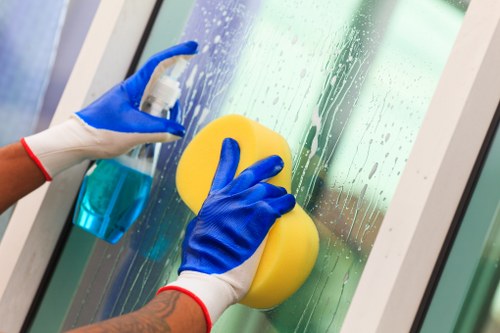 We also place importance on housekeeping, equipment checks, and clear site organisation. Slips, trips, and manual handling hazards can often be reduced through simple but consistent actions such as keeping walkways clear, storing materials properly, and inspecting tools before use. These measures may appear routine, yet they have a major impact on day-to-day insurance and safety performance. Combined with suitable public liability insurance, they contribute to a reliable and well-managed operation.
Protecting People Through Preparedness
 Preparedness also includes emergency planning. Staff are made aware of what to do in the event of an accident, near miss, fire, or other urgent situation. Response procedures are kept simple, clear, and aligned with the type of work being carried out. Where necessary, drills and briefings are used to strengthen understanding. This ensures that insurance and safety measures work together to reduce harm and support a swift, organised response when needed.
Our commitment extends beyond minimum compliance. We aim to create a workplace where safety is considered at every stage of planning and delivery. That means choosing appropriate controls, maintaining thorough records, and ensuring that public liability insurance remains in place as part of a wider risk management system. It also means valuing the role of PPE, recognising the importance of staff training, and using a reliable risk assessment process to guide informed decisions.
By combining prevention, preparation, and accountability, we maintain a practical and dependable approach to insurance and safety. Each part of the system supports the others: insurance provides financial protection, training builds competence, PPE adds physical protection, and risk assessment identifies the best way to reduce exposure. Together, these measures help create a safer environment for staff, visitors, and anyone affected by our work.