Stain Removal in Everyday Life: Practical Methods, Smart Prevention, and Lasting Results
Stain removal is one of those household skills that makes an immediate difference. Whether you are dealing with coffee on a shirt, grease on upholstery, ink on a desk, or mud on carpet, knowing the right stain removal approach can save time, money, and frustration. The good news is that most stains can be reduced or eliminated when you act quickly, choose the correct cleaning method, and avoid common mistakes that make the problem worse.
In many homes, stain removal is not just about appearance; it is also about hygiene, fabric care, and preserving the value of furniture, clothing, flooring, and decorative items. A thoughtful stain removal routine can protect delicate materials, extend the life of fabrics, and reduce the need for replacement. From quick spot treatments to more advanced techniques, understanding the process gives you more control over everyday messes.
Another reason stain removal matters is that stains are highly varied. A wine spill behaves differently from a protein stain like egg or blood, and a grease mark requires a very different solution from rust or ink. The most effective stain removal methods start by identifying the stain type, checking the material, and using the safest cleaner for the job. That simple habit can dramatically improve results.
Why Stain Removal Works Best When You Act Fast
One of the most important principles in stain removal is speed. Fresh stains are usually easier to treat because they have not yet bonded deeply with fibers or surfaces. When a spill happens, blotting immediately can prevent spreading and limit absorption. Rubbing, on the other hand, often pushes the stain deeper and can damage the material. For most spills, quick action is the difference between a minor cleanup and a permanent mark.
Timing also matters because different stains change over time. Liquid stains can dry into sticky residues, oil-based stains can oxidize, and organic stains can set and become more difficult to lift. A proactive stain removal approach helps you respond before the stain becomes stubborn. Even if you cannot clean the item right away, rinsing with cool water or blotting with a clean cloth can make later treatment much easier.
Quick stain removal is especially valuable for fabrics, carpets, and upholstery because these materials can absorb spills rapidly. It is also important for hard surfaces, where liquids may seep into grout lines, seams, or textured finishes. The sooner you use the right stain removal method, the better your chances of restoring the original look without harsh scrubbing or repeated treatment.
First steps to take after a spill
- Blot the area gently with a clean, white cloth or paper towel.
- Avoid rubbing, which can spread the stain.
- Test any cleaner on a hidden area first.
- Work from the outside of the stain inward.
- Use cool water unless the stain type requires another approach.
Understanding the Most Common Stain Types
Effective stain removal starts with classification. Not all stains respond to the same treatment, and using the wrong method can create a permanent bond. The most common categories include water-based stains, oil-based stains, protein stains, dye stains, tannin stains, and mineral-based stains. Each one behaves differently, so the best cleaner depends on the source of the mess and the type of surface involved.
Water-based stains include beverages such as juice, tea, and soda, along with many food spills. These are often easier to treat because they can be diluted and lifted with water or mild detergent. Oil-based stains, such as salad dressing, makeup, or cooking grease, usually require a degreasing agent. Protein stains like blood or dairy products need cold water and careful handling because heat can set them. Understanding these categories improves stain removal success across many situations.
Dye stains are especially challenging because pigments can transfer into fabric fibers or porous surfaces. Ink, marker, and colored drinks often fall into this category. Mineral stains such as rust, hard-water marks, or limescale may need acid-based cleaners or specialty products. If you want reliable stain removal, the first step is always to identify what caused the mark and how the material may react to water, heat, or chemicals.
Common stain categories at a glance
- Water-based: juice, coffee, tea, soda, sauces.
- Oil-based: grease, makeup, lotion, butter.
- Protein-based: blood, milk, egg, sweat.
- Dye-based: ink, marker, paint, colored beverages.
- Mineral-based: rust, hard-water residue, soap scum.
Stain Removal on Clothing: How to Protect Fabrics
Clothing is one of the most common places where stain removal becomes essential. Shirts, trousers, dresses, uniforms, and activewear are exposed to food, drinks, sweat, makeup, and outdoor dirt every day. The key is to treat the fabric gently while using an appropriate cleaner. Always check the care label before applying any product, because delicate fibers may require special handling.
For washable clothing, a good stain removal routine often starts with pre-treatment. A small amount of detergent, stain remover, or mild soap can be worked into the affected area before washing. For grease stains, absorbent powders or liquid dish soap can help break down oils. For protein stains, cold water is usually best. If the stain remains after washing, avoid machine drying until it has been evaluated, because heat can set the stain permanently.
Delicate fabrics such as silk, wool, and cashmere require extra care. Instead of aggressive scrubbing, use a soft cloth and a gentle blotting motion. When in doubt, professional stain removal is often safer for specialty garments or dry-clean-only items. With the right technique, you can protect both the color and the structure of the fabric while improving your odds of complete stain elimination.
Helpful clothing stain removal tips
- Use cold water for blood, egg, and dairy stains.
- Use a mild detergent for general food stains.
- Lift solid residue before applying liquids.
- Air-dry first to confirm the stain is gone.
- Repeat treatment rather than using harsh scrubbing.
Stain Removal for Carpets and Rugs
Carpets and rugs present unique stain removal challenges because fibers can trap liquid deep below the surface. The first rule is to blot immediately and avoid soaking the area. Excess moisture can spread the stain, damage backing materials, and even create odor or mold concerns. A measured approach is always better than flooding the spot with cleaner.
For many carpet spills, a gentle solution of water and mild detergent is a good starting point. Apply a small amount, blot carefully, and repeat as needed. For oil or grease, you may need a carpet-safe degreaser. For pet accidents, enzyme-based products are especially useful because they target organic material and odors. Smart stain removal on carpets is not only about appearance; it also helps keep the room fresher and more sanitary.
Rugs can vary widely in fiber type, dye stability, and backing. Wool rugs, handmade rugs, and natural fiber mats often need extra caution because harsh cleaners can cause fading or shrinkage. Always test a hidden corner first. If the stain is large, old, or has already been treated unsuccessfully, professional stain removal may be the most reliable option. Careful treatment protects both the look and the value of the rug.
Best practices for carpet stain care
- Blot from the outside toward the center.
- Use minimal moisture to avoid spreading.
- Rinse lightly after applying detergent.
- Dry the area with clean towels or airflow.
- Repeat only after the area is mostly dry.
Household Surfaces and Upholstery: Smart Stain Removal Techniques
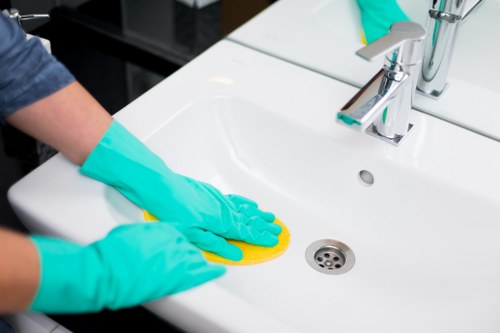
Stain removal is not limited to clothing and carpets. Upholstery, curtains, mattresses, countertops, tile, and even painted walls can all collect marks over time. The right method depends on whether the surface is absorbent, delicate, or sealed. On upholstered furniture, for example, a stain may need blotting and spot treatment, while on a countertop a simple wipe may be enough. The goal is always to clean effectively without causing damage.
For upholstery, always check the cleaning code if available. Some materials tolerate water-based cleaners, while others require solvent-only products. Lightly blotting with a clean cloth is a good first step for most spills. If the stain is sticky or oily, use a product designed for that type of residue. Effective stain removal on furniture can restore comfort and appearance without leaving rings, faded spots, or water damage.
Hard surfaces require a different strategy. Tile grout, for example, may trap dirt and discolor easily, while sealed countertops can usually handle mild cleaners. On walls, fresh marks may come off with a damp sponge and gentle soap, but painted finishes should be tested carefully. In every case, stain removal is easier when you match the method to the material and avoid overly abrasive tools.
Surface-specific cleaning reminders
- Check manufacturer care instructions when available.
- Use the least aggressive method first.
- Dry the area thoroughly after cleaning.
- Avoid bleach on color-sensitive materials.
- Stop if the surface begins to discolor or warp.
Natural and Store-Bought Products for Stain Removal
Many people prefer to begin stain removal with simple household ingredients before moving to specialty products. Vinegar, baking soda, mild dish soap, and oxygen-based cleaners can often handle everyday spills. These options are popular because they are affordable, accessible, and useful for a range of materials. That said, not every natural solution is safe for every surface, so caution still matters.
Store-bought stain removal products can be highly effective, especially when the stain type is specific. Enzyme cleaners work well for organic stains, oxygen bleach can brighten washable fabrics, and solvent-based formulas can help with ink or greasy residues. Reading the label is essential, because some products are intended only for certain fabrics or surfaces. A smart stain removal routine often combines basic household tools with specialty cleaners when needed.
It is worth remembering that more product does not always mean better results. Overusing cleaner can leave residue, attract dirt, or harm the material. For that reason, measured application and proper rinsing are important parts of stain removal. When used correctly, both natural and commercial products can deliver excellent results without overcomplicating the cleanup process.
Popular stain removal supplies
- Mild liquid dish soap
- White vinegar
- Baking soda
- Oxygen-based stain remover
- Enzyme cleaner
- Soft brushes and microfiber cloths
What Not to Do During Stain Removal
Successful stain removal is often about avoiding the wrong move. One of the biggest mistakes is using hot water on protein stains, which can cause them to set. Another common error is rubbing aggressively, which spreads the stain and can fray fibers. Mixing random chemicals is also risky, especially if products contain bleach or ammonia. A cautious, methodical approach is always safer.
Another mistake is waiting too long to treat the spot. Dried stains usually require more effort and may need multiple rounds of cleaning. It is also unwise to place a stained item in a dryer before confirming the stain is gone, since heat can lock in discoloration. When possible, follow a step-by-step stain removal process and reassess between treatments.
Finally, avoid assuming that one method works for every surface. Fabric, wood, stone, leather, and synthetic materials all react differently. If you are unsure, test in an inconspicuous area and start with the gentlest method. The safest stain removal strategy is not the most aggressive one; it is the one that removes the stain while preserving the item.
Common mistakes to avoid
- Rubbing instead of blotting
- Using heat too early
- Mixing incompatible chemicals
- Skipping the test patch
- Ignoring care labels
Professional Stain Removal: When to Seek Expert Help
Sometimes the best stain removal decision is to call a professional service. This is especially true for valuable rugs, delicate upholstery, antique fabrics, wedding garments, leather, suede, and large or old stains that have resisted home treatment. Professionals use specialized equipment, cleaning agents, and techniques that are designed to protect sensitive materials while improving stain extraction.
Professional treatment can also be useful when the stain has spread, when odors are involved, or when previous attempts have made the problem worse. Instead of risking damage through repeated DIY methods, expert stain removal can offer a safer path forward. This is particularly important for items that cannot be easily replaced or are important to the look and function of a home.
In many situations, professional cleaning is not only about convenience but also about long-term preservation. Fabrics may retain color better, upholstery may last longer, and carpets may look refreshed without harsh wear. If the item is expensive, sentimental, or difficult to clean at home, investing in professional stain removal can be a practical and cost-effective choice.
Signs it may be time for professional help
- The stain is old or deeply set.
- The material is delicate or valuable.
- There is a strong odor or biological residue.
- DIY attempts have not worked.
- The item could be damaged by water or chemicals.
Prevention Tips That Make Stain Removal Easier
One of the smartest ways to reduce the burden of stain removal is to prevent stains from happening in the first place. Simple habits like using coasters, placing mats in high-traffic areas, and keeping napkins or cleaning cloths nearby can stop many spills from becoming serious problems. Prevention may seem basic, but it has a major impact over time.
Protective sprays can also help on some fabrics and upholstery, creating a barrier that slows absorption. In kitchens and dining areas, quick cleanups after cooking or eating reduce the chance of sticky residue, grease buildup, or beverage stains. For households with children or pets, having a small stain care kit ready can make stain removal faster and less stressful when accidents happen.
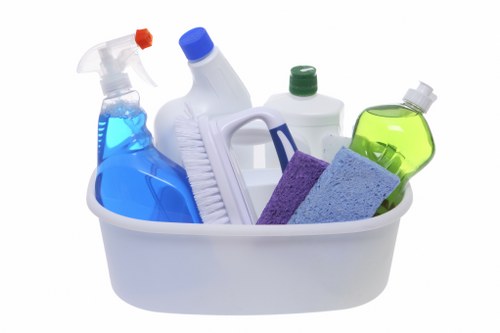
Good organization matters too. If cleaning products are easy to find, you are more likely to treat stains immediately. A well-stocked kit may include microfiber cloths, mild detergent, gloves, and a few specialty cleaners. With these tools on hand, stain removal becomes a routine task instead of an emergency.
Simple prevention habits
- Use table protection in eating areas.
- Address spills as soon as they happen.
- Keep stain-safe products within reach.
- Avoid eating messy foods over delicate fabrics.
- Rotate and maintain rugs, cushions, and upholstery regularly.
Building a Reliable Stain Removal Routine
A reliable stain removal routine is built on observation, patience, and the right tools. Start by identifying the stain, checking the material, and choosing a treatment that matches both. Blot carefully, use the minimum effective amount of cleaner, and allow the item to dry before deciding whether another round is needed. This methodical approach produces better results than guessing or using harsh products too quickly.
It also helps to remember that stain removal is often a process, not a single step. Some marks come out immediately, while others fade over time with repeated treatment. The key is to remain consistent and avoid damaging the item in pursuit of instant perfection. A thoughtful stain removal routine combines fast action with smart technique, making it easier to maintain a clean, welcoming home.
If you want to keep your space looking its best, treat stain removal as a regular part of maintenance rather than an occasional chore. With a few simple habits and the right methods, you can protect your clothes, furniture, and flooring while reducing stress after everyday accidents. Contact us today to learn more about expert cleaning options, or Book your service now if you want professional support for stubborn stains and delicate materials.