Permits and street access for commercial cleaning in Kensington
If you are arranging commercial cleaning in Kensington, the job rarely starts with a mop or a machine. It starts with access. Can the team park close enough? Is there room to unload safely? Do you need a permit, a loading bay, or timing that avoids the school-run squeeze and the lunchtime shuffle? In Kensington, those questions matter just as much as the cleaning itself.
This guide explains Permits and street access for commercial cleaning in Kensington in plain English. You will get the practical side of how access usually works, why it affects cost and timing, what to check before work begins, and where businesses most often trip up. A lot of hassle can be avoided with a bit of planning. Truth be told, that is half the battle.
For companies managing multiple spaces, it also helps to understand how cleaning needs connect with wider site rules, parking restrictions, insurance, and safe working practice. If you are comparing service options as part of a broader cleaning plan, you may also find it useful to look at commercial carpet cleaning and the company's insurance and safety information before booking.
Table of Contents
- Why permits and street access matter
- How permits and street access work
- Key benefits and practical advantages
- Who needs this and when it makes sense
- Step-by-step guidance
- Expert tips for better results
- Common mistakes to avoid
- Tools, resources and recommendations
- Law, compliance and best practice
- Options and comparison table
- Case study or real-world example
- Practical checklist
- Conclusion
- Frequently asked questions
Why Permits and street access for commercial cleaning in Kensington Matters
Kensington is busy, tightly managed, and not especially forgiving if you turn up unprepared. Streets can be narrow, bays can be time-limited, and access for vans or larger vehicles can change from one side road to the next. For commercial cleaning, that means the simple act of getting equipment in and out can determine whether a job runs smoothly or becomes a drawn-out headache.
Why does this matter so much? Because cleaning is often done before trading hours, after hours, or between tenant moves. If the crew cannot park legally or cannot unload safely, they lose time. If they do park somewhere unsuitable, they risk fines, complaints from neighbours, or interrupted work. And nobody wants a carpet dryer humming away while a parking warden is circling outside. Not ideal.
There is also the customer experience angle. Businesses in Kensington tend to expect low disruption. A building manager wants tidy arrivals, quiet equipment handling, and a clean exit, not a team bottlenecked in the street. Good access planning helps a contractor feel organised and professional from the first minute.
In practical terms, permits and street access affect:
- how quickly the team can start work
- whether equipment can be unloaded close to the entrance
- the type of vehicle that can be used
- how much manual carrying is needed
- the chance of delay, rescheduling, or added cost
There is a quieter point too: access planning protects the actual cleaning result. If tools arrive late, if hoses or machines have to be hauled too far, or if the team is rushed because of parking limits, the quality of the work can suffer. That is the bit people often miss.
How Permits and street access for commercial cleaning in Kensington Works
In most cases, street access for commercial cleaning comes down to three things: where the vehicle can stop, how long it can stay, and whether it needs permission or a paid arrangement to do so. The exact rules depend on the street, the time of day, the type of vehicle, and whether the job sits on private or public frontage.
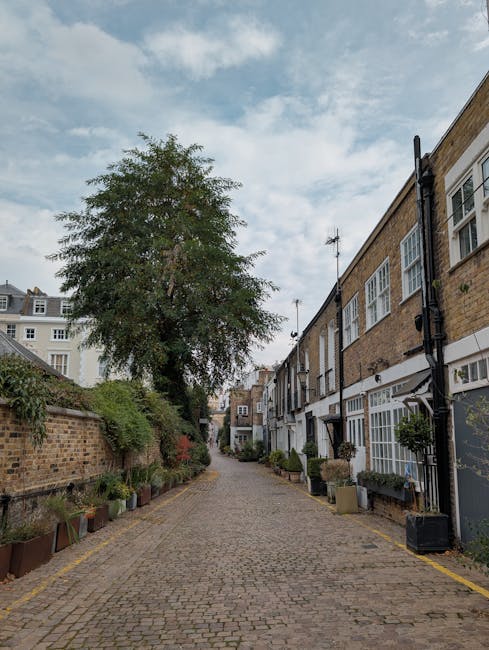
For some premises, access is straightforward. A contractor can use a forecourt, rear entrance, service yard, or private loading area. In other situations, the team may need to rely on roadside stopping, a loading bay, or another arrangement that fits local restrictions. In Kensington, that distinction matters. A building fronting a busy road is a very different proposition from a tucked-away mews property with limited turning space.
Permit-related questions usually involve one of these scenarios:
- temporary loading or unloading on a public street
- parking a commercial van while cleaning equipment is moved inside
- access to controlled parking zones or time-limited bays
- special arrangements for larger service vehicles
- site access rules set by landlords, managing agents, or building operators
It helps to think of access in layers. First, there is the legal road restriction. Then there is the practical site rule. Then there is the job itself - floor type, equipment, drying time, and the number of people on site. All three need to line up, otherwise the schedule becomes messy pretty quickly.
In real terms, a cleaning company will usually review the address, look at access notes, and plan arrival around any stated restrictions. If a permit is needed, it may be the client's responsibility, the contractor's responsibility, or shared between both parties depending on the arrangement. That should be clarified in writing before work starts. Always. It saves a lot of awkward back-and-forth later.
For a broader view of the company's operational standards, it can also help to review the pages on health and safety policy and terms and conditions, especially if the cleaning is part of a regular contract or a larger facilities schedule.
Key Benefits and Practical Advantages
Good permit planning and street access management do not just prevent problems. They actively improve the job. The benefits are simple, but in a live business environment, they make a real difference.
1. Less disruption to staff and customers
When access is planned properly, cleaners can arrive, unload, and leave without blocking entrances or cluttering the pavement. That means fewer interruptions for reception teams, tenants, visitors, or retail customers. A quiet arrival is often the best arrival.
2. Better timekeeping
Commercial cleaning is often tied to a tight window. If a team spends twenty minutes hunting for a place to stop, the entire schedule shifts. Reliable access keeps the job on track and helps the work finish inside the expected slot.
3. Lower risk of fines or complaints
This one is obvious, but still worth saying. Parking where you should not park can create enforcement issues. It can also trigger complaints from neighbouring businesses or residents. In Kensington, where streets are active and attention is sharp, that is not a small issue.
4. Safer manual handling
When equipment has to be carried a long way from the vehicle, the physical strain increases. That can make lifting less safe and a bit more awkward, especially with water-fed machines, vacuums, wet-floor gear, or heavy chemicals. The closer the drop-off point, the easier it is to keep things controlled.
5. More consistent cleaning quality
Access affects the pace and comfort of the whole job. When the team is not stressed by transport or parking issues, they can focus on detail, drying, and finishing properly. The result tends to be cleaner, tidier, and more dependable.
Practical takeaway: in commercial cleaning, access is not an admin detail. It is part of the service quality. Get it right and everything feels calmer, quicker, and more professional.
Who This Is For and When It Makes Sense
This topic matters to a surprisingly wide group of people. If you manage a building, run a business, or organise cleaning on behalf of others, you will feel the pressure of access rules sooner or later.
- Office managers who need early-morning or evening cleaning without disrupting staff arrival
- Retail operators who want fast turnarounds before opening or after closing
- Facilities teams handling cleaning across one site or several properties
- Landlords and managing agents who must coordinate contractors and access permissions
- Hospitality venues where guests, deliveries, and cleaning all compete for space
- Professional cleaning contractors who need to plan routes, equipment, and vehicle use
It makes the most sense to think about permits and street access before the job is booked, not after the van is already idling at the kerb. If a cleaner needs to bring in extraction equipment, drying fans, or multiple tools, the access conversation becomes even more important. A small lounge clean might be manageable. A larger office floor, less so.
There are also situations where the question is not "Do we need a permit?" but "What is the safest and most reliable way to access the site?" That subtle shift matters. Sometimes a private loading bay is better than a roadside stop. Sometimes a slightly later arrival avoids peak congestion. Sometimes the best answer is simply a bit more lead time.
Step-by-Step Guidance
If you want this to run smoothly, use a methodical approach. It is not glamorous, but it works.
- Check the address and access points. Look at the main entrance, side entrances, rear service routes, and any loading options. If you have site plans, use them. If not, a quick walk-round helps.
- Identify street restrictions. Note any time limits, bays, resident zones, double yellow lines, or loading windows. The local situation can be different from the last street over, which catches people out more than you would think.
- Confirm vehicle type and equipment load. A small van and a larger commercial vehicle are not treated the same way in many places. Heavy kit may also influence where you need to stop.
- Clarify who arranges permission. For some jobs, the client handles it. For others, the contractor manages the process. Make this explicit before the day of the clean.
- Set the arrival window realistically. Allow time for unloading, access checks, and any unexpected delays. Kensington traffic can be fine one minute and awkward the next. London, being London.
- Brief the cleaning team. Make sure they know where to park, which door to use, who to call on arrival, and whether any keys, fobs, or escorts are needed.
- Plan for waste and water handling. If the work produces dirty water, packaging, or used materials, think ahead about where these can be disposed of responsibly.
- Keep a record. Store access notes for future visits. Once you have a working setup, reuse it. That saves time on repeat bookings.
A useful habit is to build access into the quote stage. It sounds basic, but it reduces surprises. If a contractor knows the site is tight, restricted, or complicated, they can price and plan accordingly instead of discovering it the hard way on a wet Tuesday morning.
Expert Tips for Better Results
After enough site visits, you start to notice the same patterns. The jobs that go best are not always the simplest ones. They are the ones where access is handled neatly from the start.
Use a site contact, not a chain of guesswork
One named person on the day is worth a lot. If the crew arrives and no one knows which gate to use, ten minutes disappear immediately. A single reliable contact avoids that wobble.
Build in a small buffer
Give yourself a margin for arrival, especially if the job sits near a busy road or a controlled parking area. A ten-minute buffer can feel generous until one delivery truck decides to pause in exactly the wrong place. Then it feels sensible.
Think about drying and exit as well as entry
Access is not only about getting in. It is also about getting out without leaving wet floors near thresholds or blocking a route while machines are packed away. A tidy exit is part of the service.
Keep equipment minimal where possible
If the cleaning task can be completed with fewer trips from the vehicle, that is often better. Less carrying means less risk and less clutter in the street or lobby. Simple, really.
Match the method to the access reality
Sometimes the most powerful machine is not the best choice if access is limited. A more compact setup may be a better fit for a tight Kensington street, even if it means a slightly different workflow.
And yes, this is the bit people forget when they chase the cheapest quote: what looked inexpensive on paper can become expensive if access is awkward and the team spends half the visit working around it. Nobody enjoys paying for avoidable shuffling.
Common Mistakes to Avoid
The same few mistakes show up again and again. They are usually easy to avoid, which is the annoying part.
- Assuming roadside stopping is always fine. It may not be. Restrictions vary street by street.
- Leaving access planning until the day of service. By then, it is already too late to fix the schedule properly.
- Not clarifying responsibility. If no one knows who is arranging the permit or bay use, delays happen.
- Ignoring building rules. A road may allow stopping, but the site itself may not permit the same entrance or loading pattern.
- Booking too tight a time window. Small access delays can push the whole job off course.
- Forgetting about neighbours or occupants. Noise, doors left open, and equipment movement all matter in a shared property.
- Using the wrong vehicle for the site. Bigger is not always better. Sometimes it is just more awkward.
One small but important point: do not assume a permit solves everything. It may help, but it still needs to match the exact street, date, time, and vehicle. Permits are useful, not magical. If only, eh?
Tools, Resources and Recommendations
You do not need a giant toolkit to manage access well. You need the right small set of habits and documents.
Useful items to keep on hand
- a site access sheet with entry points, contact numbers, and parking notes
- arrival instructions for the cleaning team
- a copy of the booking confirmation showing date and time
- vehicle registration details where required
- risk notes for heavy equipment, wet floors, or awkward access
- a simple checklist for start-up and pack-down
If you manage recurring cleaning, keep those notes in one place. Even a basic spreadsheet can save time. Better still, a structured file that includes site photos, door codes, loading points, and known restrictions. That way, the next visit is smoother than the first one.
It is also worth reviewing related operational pages when comparing providers. For example, the company's pricing and quotes page can help you understand how access, job size, and service scope affect the final estimate. If sustainability matters for your site, the recycling and sustainability information may also be useful.
Law, Compliance, Standards, or Best Practice
Access and permit arrangements sit within a wider framework of legal and best-practice responsibilities. While the exact rules can depend on the street, the building, and the job type, a few principles are consistent across professional commercial cleaning.
First, parking and stopping must be lawful. A contractor should not assume that a service van can stop wherever it is convenient. Restrictions may apply, and they should be checked before the job begins. That is basic compliance, not a nice-to-have.
Second, safe working practice matters. Cleaning teams should avoid unsafe lifting, obstructing emergency routes, or creating slip hazards at entrances. A permit alone does not remove the duty to work safely.
Third, building rules still count. Site managers, landlords, and occupiers may set their own access controls. These should be respected, especially in shared or prestige premises where the flow of people is constant.
Fourth, insurance and accountability matter. If equipment, vehicles, or access arrangements create damage or disruption, the contractor should be properly covered and clear about responsibility. That is why it is worth checking insurance and safety before work begins.
Fifth, public-facing professionalism is part of the standard. In Kensington, especially around mixed commercial and residential streets, a tidy approach says a lot. Clean vehicles, polite communication, controlled unloading, and prompt exit are all part of good practice. Small things, but they add up fast.
Where there is any uncertainty, the safest route is to confirm the access plan in writing and keep a record. That is not overcautious. It is just sensible.
Options, Methods, or Comparison Table
Different access methods suit different sites. Below is a simple comparison to help you choose what is practical for your location.
| Access method | Best for | Advantages | Limitations |
|---|---|---|---|
| Private forecourt or driveway | Premises with dedicated frontage | Fast unloading, less street disruption, easier timing | Not available at many central Kensington sites |
| Loading bay or service area | Office, retail, hospitality, and managed buildings | Efficient if booked correctly, often safer for equipment | May have time limits or shared use |
| Controlled on-street stopping | Short visits with restricted options | Useful when site access is tight | Requires careful checking of local restrictions |
| Rear or side access | Buildings with mews, alleys, or service routes | Can reduce disruption at the main entrance | May be narrow, difficult to find, or unsuitable for larger vehicles |
A lot depends on the premises type. An office block with a loading bay can be straightforward. A townhouse converted into a clinic? Very different story. In those cases, the best option is the one that avoids congestion and keeps cleaning safe and discreet.
Case Study or Real-World Example
Here is a realistic example from the kind of work many Kensington businesses need.
A small professional practice in a mixed-use building needed an evening clean after client appointments ended. The building had a front entrance on a busy road and a service entrance tucked around the side. At first glance, the team assumed the front door would be easiest because it was more visible. But the road restrictions made short-stay stopping awkward, and the entrance sat near a constant flow of pedestrians.
Once the access plan was reviewed, the cleaner used the side route instead. That meant a slightly longer walk from the vehicle, but the unloading point was calmer and safer. The team arrived ten minutes earlier than originally planned, completed the job without interruption, and left before the next day's staff came in. No awkward apologies to reception. No rushed equipment shuffle. Just a smooth visit.
That is the point, really. A small access adjustment can improve the whole experience. The clean itself may only take an hour or two, but the planning around it decides whether the whole thing feels easy or unnecessarily messy.
One manager later joked that the side entrance was "not exactly glamorous, but it did the job." Fair enough. That is often how good access works: not glamorous, just quietly effective.
Practical Checklist
Before the cleaning appointment, run through this checklist. It is simple, but it catches most avoidable issues.
- Confirmed the full site address and exact entrance to use
- Checked whether street stopping, loading, or parking restrictions apply
- Identified who is responsible for any permit or access permission
- Noted the best arrival time for low disruption
- Shared contact details for the person who can authorise entry
- Confirmed vehicle size and whether it suits the site
- Checked if equipment needs special unloading space
- Reviewed any building rules, door codes, or security steps
- Planned for waste, packaging, and any dirty-water handling
- Kept a record for next time
If even one of those items is missing, the job can still go ahead, but it is a bit like leaving one shoe untied. Nothing dramatic until it suddenly is.
Conclusion
Permits and street access for commercial cleaning in Kensington are not side issues. They shape how the work is delivered, how smoothly the team moves, and how professional the service feels from the outside. When access is planned properly, the job is safer, quicker, quieter, and far less stressful for everyone involved.
The best approach is usually the simplest one: check the site, confirm the access route, understand the street restrictions, and make sure everyone knows who is responsible for what. A little clarity goes a long way in a busy part of London. In our experience, that small bit of planning often pays for itself in fewer delays and a better finish.
If you are comparing providers or planning regular commercial cleaning, it helps to choose a team that treats access, safety, and communication as part of the service rather than an afterthought. That is where the real value is.
Get a free quote today and see how much you can save.
Frequently Asked Questions
Do I always need a permit for commercial cleaning in Kensington?
Not always. It depends on where the vehicle will stop, how long it will stay, and whether the location has private access, loading space, or restricted street parking. Some jobs need no permit at all, while others need careful planning well in advance.
Who is responsible for arranging street access or parking permission?
That should be agreed before the job. In some cases, the client or building manager handles it. In others, the cleaning contractor manages access as part of the service. The main thing is to decide clearly and not leave it vague.
Can a commercial cleaning team just stop outside the building to unload?
Sometimes, but not automatically. You need to consider local parking restrictions, loading rules, and the size of the vehicle. What looks harmless for five minutes can still be a problem if the street is controlled or heavily used.
What happens if access is tighter than expected on the day?
The team may need to use a different entrance, adjust the arrival time, or move the vehicle to a more suitable location. That is why a proper access check before the visit matters so much. It gives you options instead of surprises.
Does street access affect the cost of commercial cleaning?
It can. If access is difficult, the job may take longer or need more planning, which can influence the quote. The cleaner may also need extra time for unloading, carrying equipment, or working around restricted parking.
What kind of businesses need to think most carefully about access?
Office blocks, retail units, clinics, hospitality venues, and managed properties all tend to need more attention. Any business with tight timings, shared entrances, or customer traffic should plan access carefully.
Is a loading bay always better than roadside parking?
Usually, yes, if it is available and properly booked. But not every loading bay suits every job. The best option is the one that matches the site layout, timing, and equipment without causing disruption.
How early should I plan access for a commercial cleaning job?
As early as possible. Ideally, access should be checked at the quote stage or booking stage. Leaving it until the day before often creates avoidable stress, especially in busy parts of Kensington.
What details should I give the cleaning company before they arrive?
Give them the address, preferred entrance, contact person, access codes if needed, parking notes, and any building restrictions. If possible, include a photo or short description. The clearer the information, the smoother the visit.
Can poor access affect the quality of the cleaning itself?
Yes. If the team has to carry equipment a long distance, work under time pressure, or keep stopping because of access issues, the finish can suffer. Good access planning protects the standard of the clean as well as the schedule.
What should I do if my building has both public and private entrances?
Choose the entrance that offers the safest and least disruptive route for the cleaner. In many cases, the private or service entrance is better, even if the public front door looks more convenient at first glance.
Is there a best time of day for commercial cleaning access in Kensington?
Often early morning, evening, or quieter mid-day windows work best, depending on the type of business and street restrictions. The right time is usually the one that balances access, staff movement, and customer flow.
What is the biggest mistake people make with street access?
Assuming it will sort itself out on the day. That rarely goes well. A short conversation before the booking, plus a few access notes, usually saves far more time than it takes.
If you are planning a clean in a busy part of Kensington, a calm and well-planned access setup can make all the difference. And honestly, that small bit of order tends to make the whole day feel better.